




FAQs
How Do You Choose Face Makeup?
To choose the best face makeup products for you, consider coverage, finish, formula, longevity, and your overall desired makeup aesthetic to find the right types of face makeup for your needs.
Coverage:
•Sheer/Light Coverage: Ideal for those who want a very natural look, allowing your skin to show through while subtly evening out minor discolorations. Products like tinted moisturizers or some BB/CC creams fall into this category.
•Medium Coverage: Offers more concealment than light coverage but still looks natural. It's great for covering redness, light blemishes, and evening out skin tone more significantly. Many liquid foundations provide medium coverage.
•Full Coverage: Provides maximum concealment for covering acne and hyperpigmentation or creating a perfectly smooth canvas. These formulas are often used for events or when a more "made-up" look is desired.
Finish:
•Matte Finish: Creates a shine-free, velvety look. It's excellent for oily skin types as it helps control excess oil throughout the day.
•Dewy/Radiant Finish: Gives the skin a luminous, healthy glow, often appearing more hydrated. This finish is popular for dry or normal skin types and can give a youthful appearance.
•Natural/Satin Finish: Strikes a balance between matte and dewy, offering a subtle luminosity without being overly shiny. It's a versatile choice that suits most skin types.
Formula:
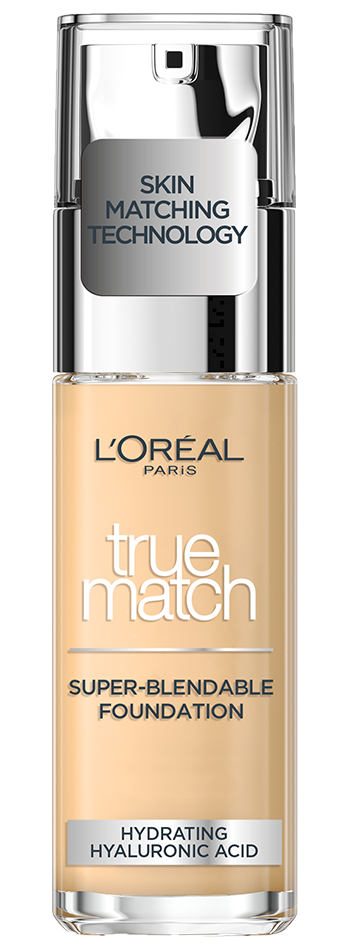
•Liquid Formulas: The most common, offering versatility in coverage and finish. They are generally suitable for all skin types, though specific formulations cater to oily or dry skin.
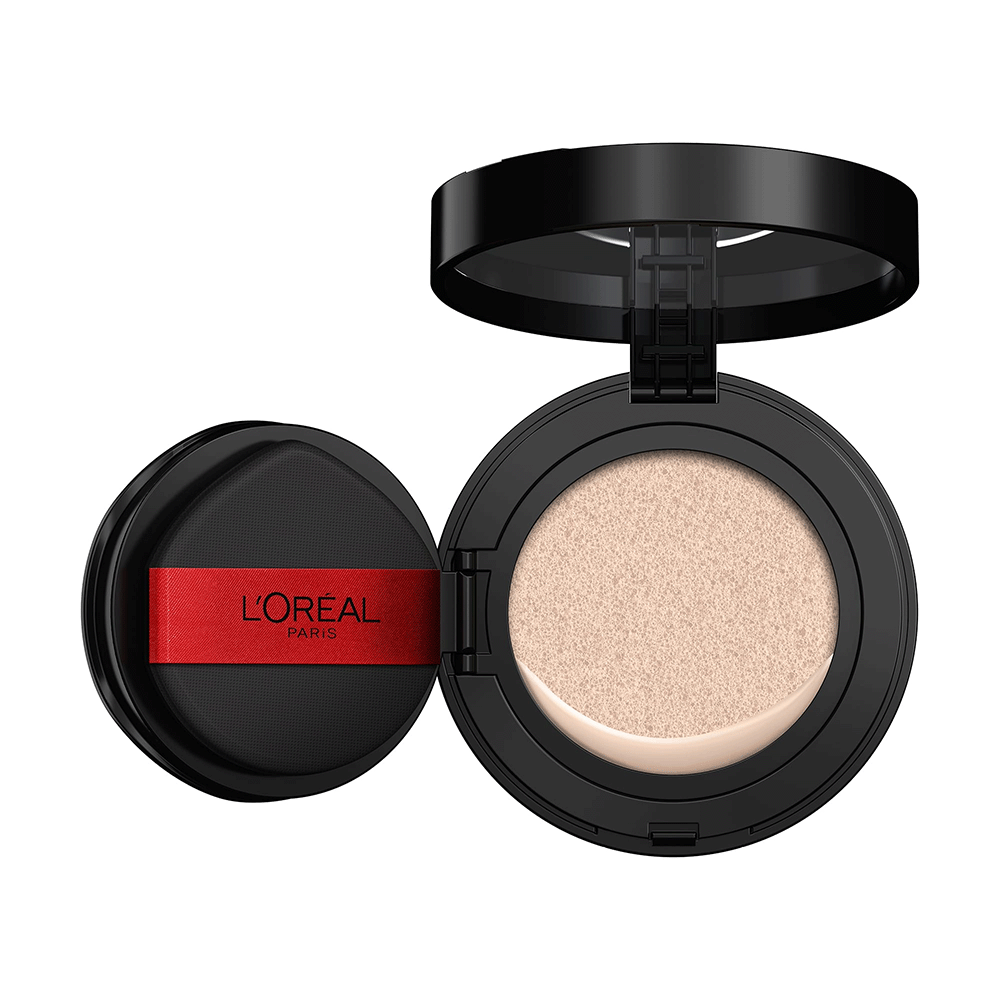
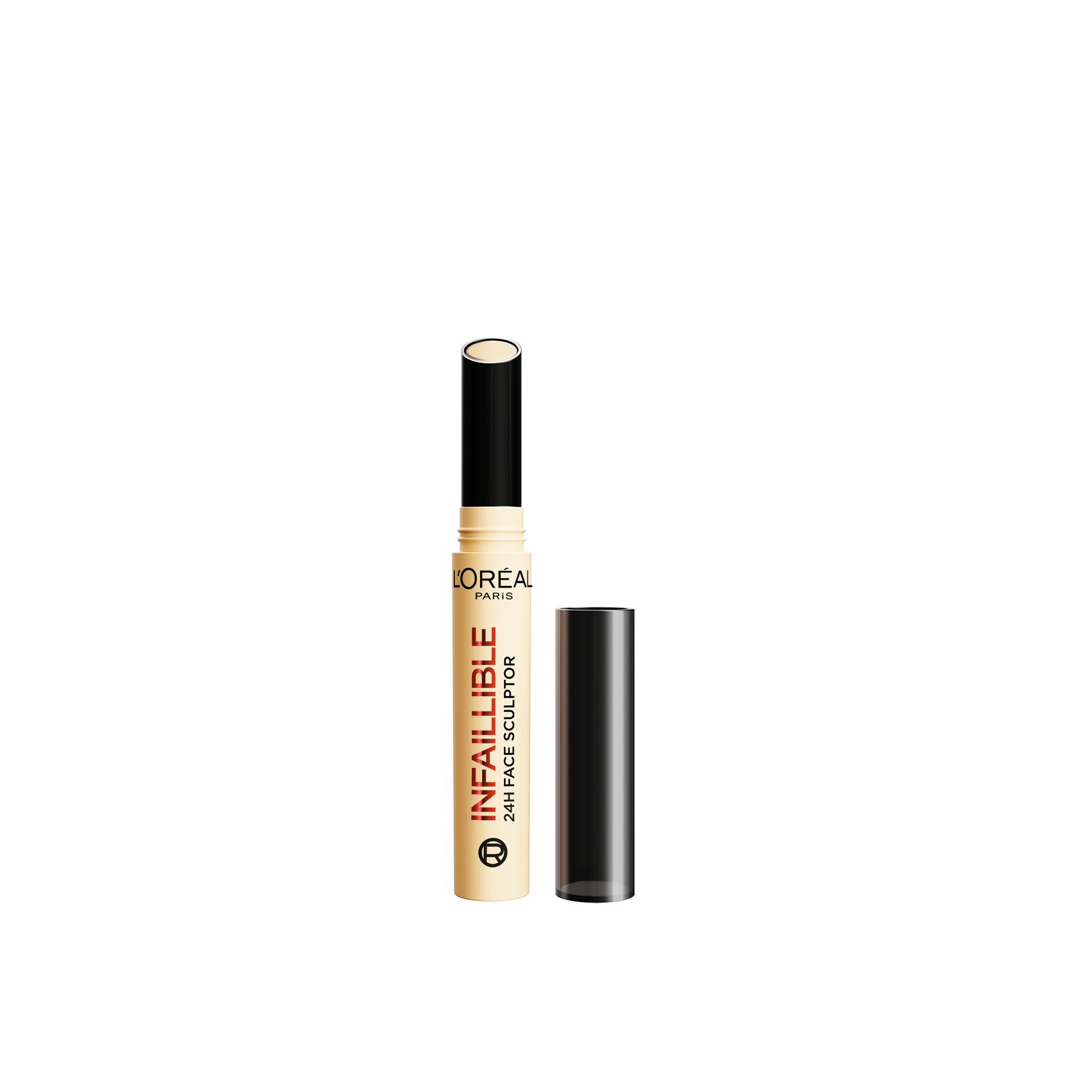
•Cream Formulas: Often richer and more hydrating, ideal for dry or mature skin. They can provide excellent coverage and a dewy finish. Concealers and contour sticks often come in cream forms.
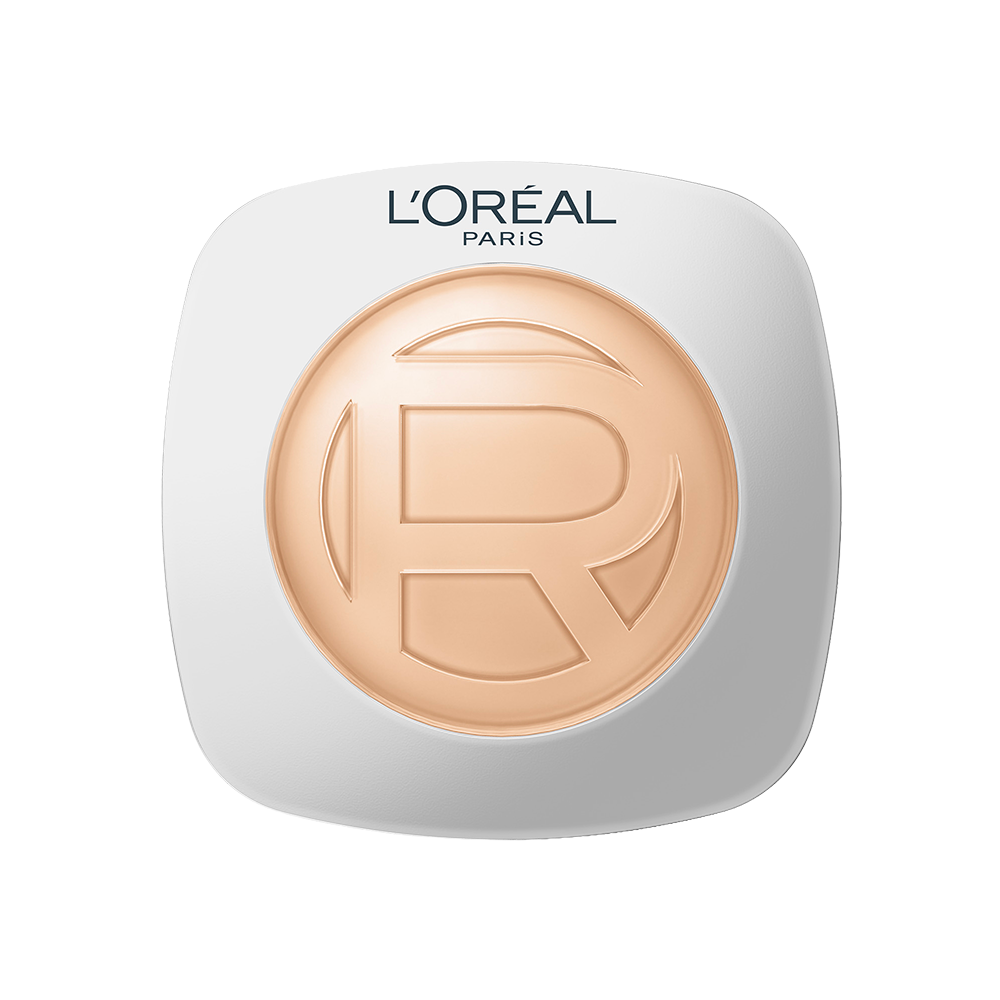
•Powder Formulas: Excellent for oily skin, as they absorb excess oil and set liquid or cream products.
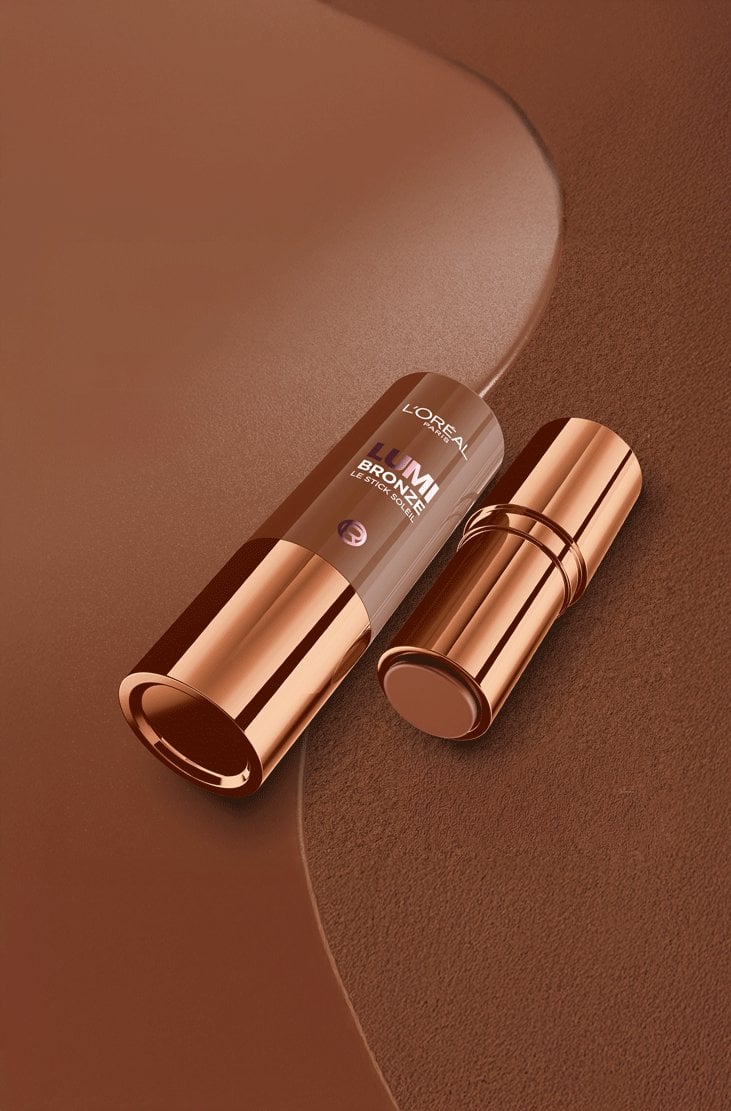
•Stick Formulas: Convenient for on-the-go application, offering good coverage and often a creamy texture. They are great for quick touch-ups or targeted application.
Longevity refers to how long your makeup lasts on your skin without fading, creasing, or wearing off. If you need your makeup to last all day, especially in humid conditions or through activities, look for products labeled "long-wear," "24-hour," or "transfer-proof." These formulas are designed to adhere better to the skin and withstand environmental factors. L'Oréal Paris provides a range of long-wear options across its face makeup categories, ensuring your look stays fresh from morning to night.
Finally, your desired look will guide your choices across all categories of makeup for your face. For a more natural look, focus on light to medium coverage products like BB creams, tinted moisturizers, or sheer foundations that let your skin's natural texture show through. You might use a light hand with a cream blush for a subtle flush of color and a subtle highlighter on the high points of your face. For a glam look, you'll likely gravitate towards medium to full coverage foundations to create a flawless, even canvas. This look often incorporates more pronounced contouring to sculpt the face, a brighter, more intense highlight for a striking glow, and a more vibrant blush application.
By considering these aspects – coverage, finish, longevity, formula, and your desired aesthetic – you can confidently select the L'Oréal Paris face makeup products that best suit your individual needs and help you achieve your perfect complexion.
How Do You Apply Face Makeup?
Applying face makeup is an art, with techniques varying widely based on product type, desired look, and personal preference. While there's no single "right" way, a general approach can guide you.
1.Begin with a clean, moisturized face, and apply primer if desired, creating a smooth canvas. For your base, like foundation or BB cream, you can use your fingers for a natural finish, a brush for more precise application and coverage, or a damp beauty sponge for a seamless, airbrushed look. Blend outwards from the center of your face, ensuring no harsh lines.
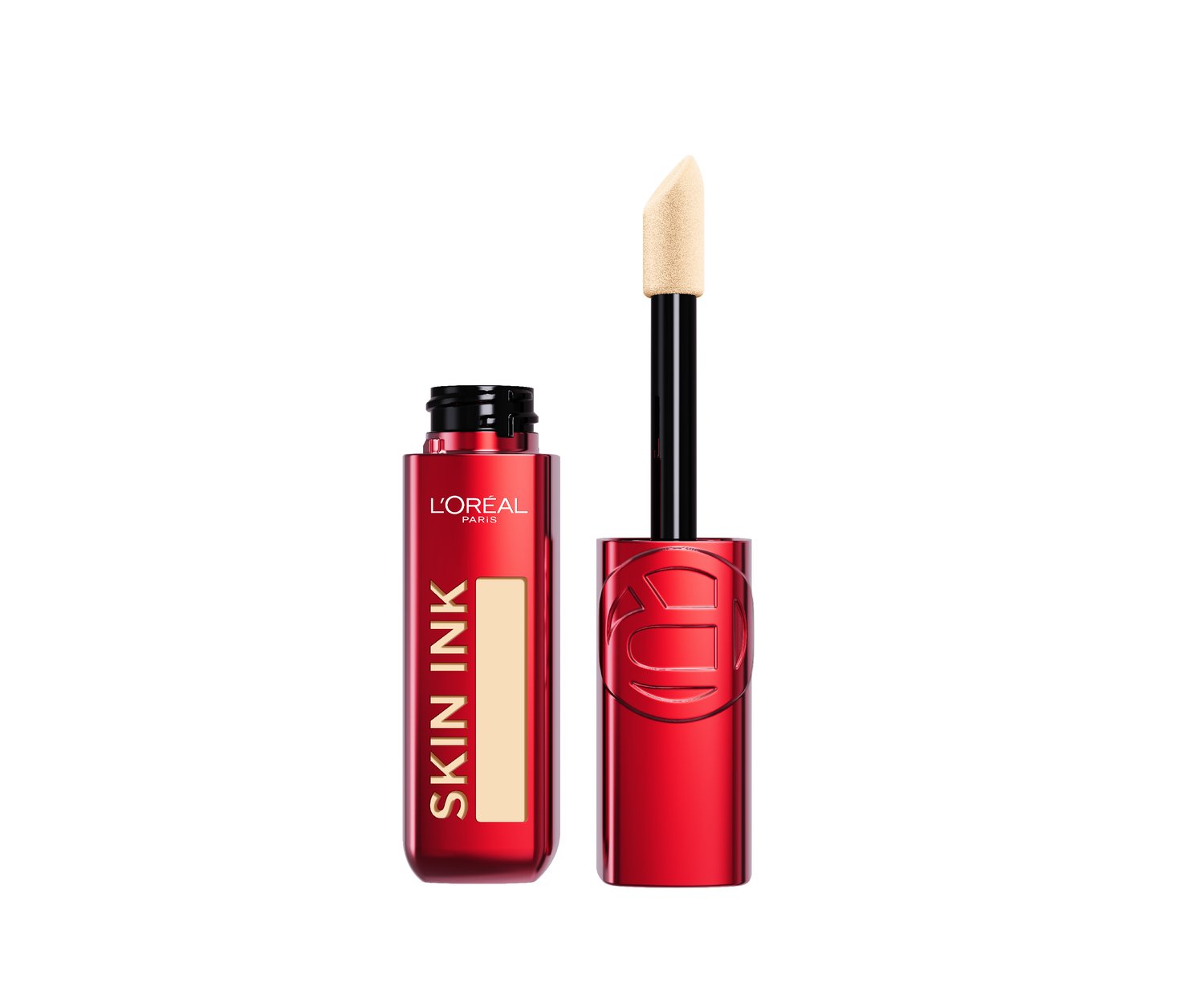
2.Next, concealers are typically applied to targeted areas—under eyes, blemishes, or redness—using a smaller brush, sponge, or your ring finger, gently tapping to blend. Many makeup users then set their liquid or cream products with a translucent or colored powder using a fluffy brush or powder puff, especially in areas prone to shine.
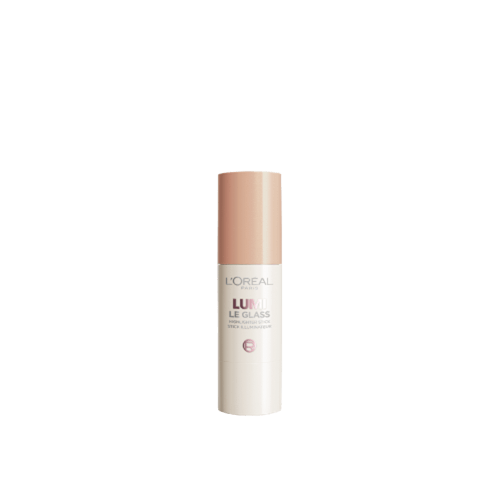
3.Finally, for enhancing features, contour products are applied to areas you wish to recede (like under cheekbones), blush to the apples of cheeks for a healthy flush, and highlighter to high points of the face (cheekbones, brow bone) to catch the light. Each of these can be applied with specific brushes designed for their purpose.
Ultimately, experiment with different tools and techniques to discover what works best for your skin and helps you achieve your perfect look.
What Is Lip Makeup?
Lip makeup products enhance the appearance of lips by adding color, shine, or texture. They can create the illusion of fuller or more defined lips or simply add a touch of color. Here's a breakdown of common lip makeup subtypes:
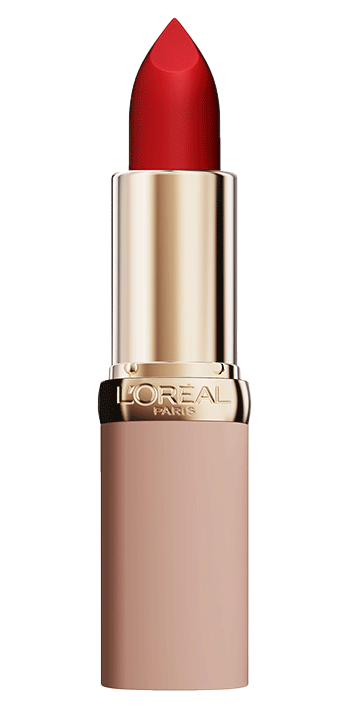
• Lipstick: This classic lip product comes in various forms, including cream, matte, satin, and sheer finishes. It delivers intense pigment and can be long-lasting, offering a range of coverage from sheer tints to opaque colors.
• Lip Gloss: Known for its shiny finish, lip gloss adds a touch of shine and can create the illusion of fuller lips. It can be worn alone or over lipstick for added dimension. Formulas range from clear to highly pigmented.
• Lip Liner: Primarily used to define and shape the lips, lip liner prevents lipstick from bleeding or feathering. It can also be used to fill in the entire lip for a matte base or to create the illusion of fuller lips.
• Lip Balm: Designed to hydrate and protect the lips, lip balm often contains moisturizing ingredients like shea butter or beeswax. It can be clear or tinted and is essential for maintaining healthy, smooth lips.
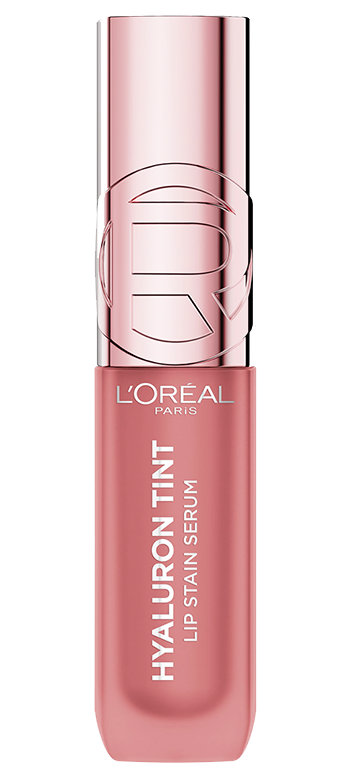
• Lip Stain: Providing long-lasting color that tints the lips, lip stain offers a low-maintenance option. It's generally lightweight and can range from sheer to intense color payoff.
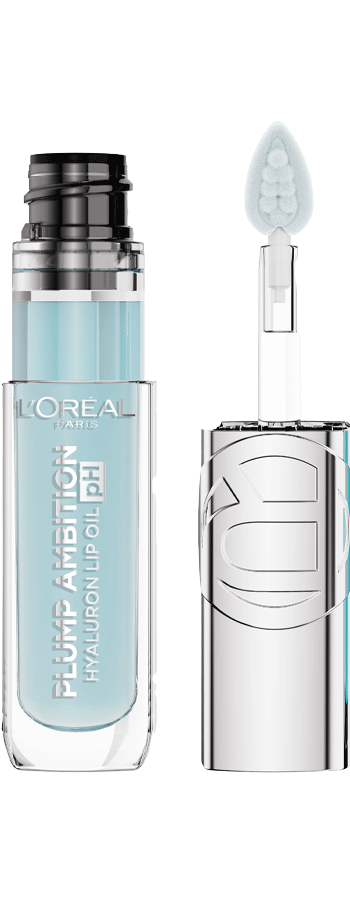
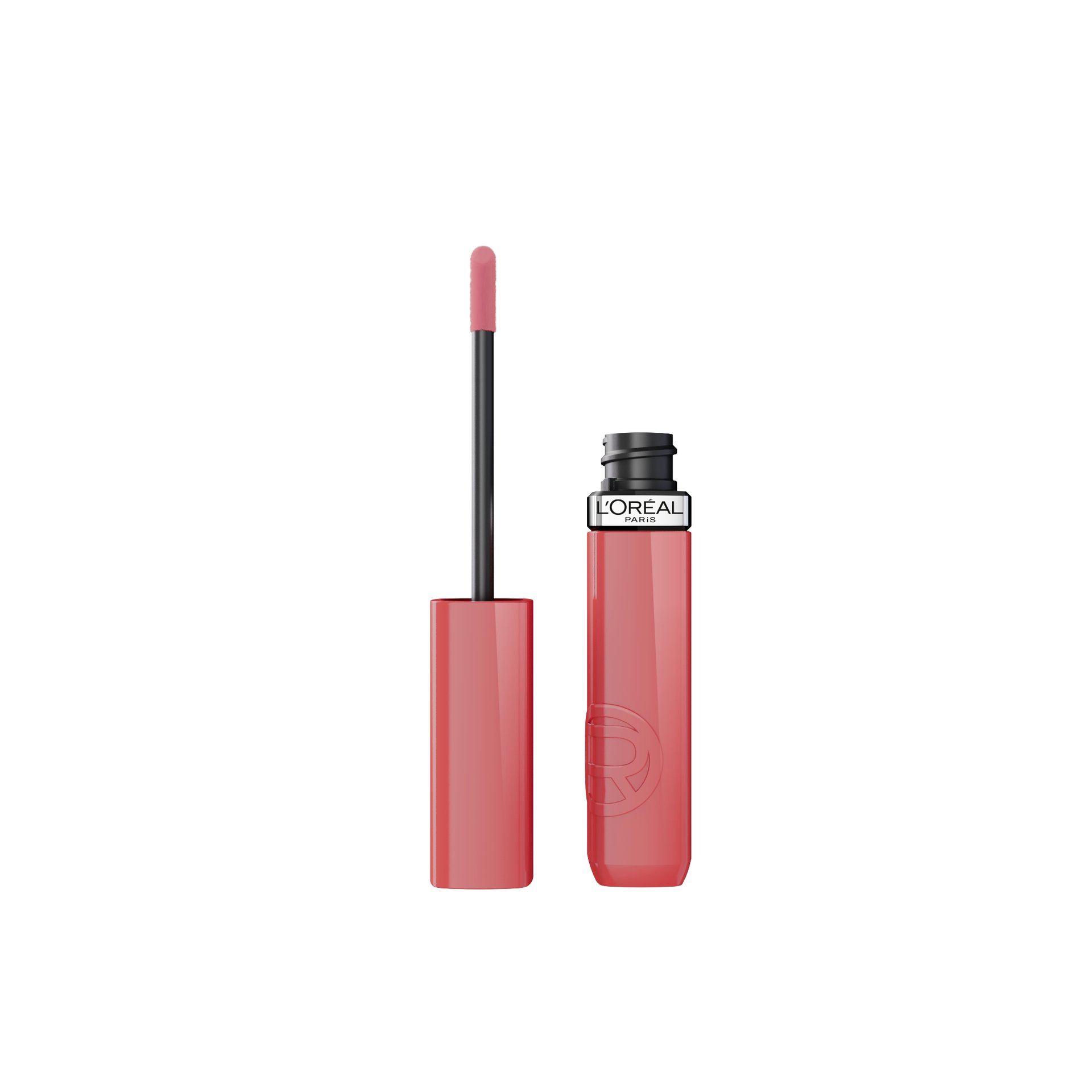
• Lip Oil: Lip oil combines the shine of a gloss with the moisturizing properties of a balm. Lip oils provide a subtle, often sheer tint while nourishing and conditioning the lips.
These products offer many ways to enhance your lips, allowing you to experiment with different colors, textures, and finishes to achieve your desired look.
How Do You Use Lip Makeup?
Applying lip makeup can be simple or complex, depending on the look you’re trying to achieve. Here’s a general overview and some ideas:
Basic Application:
1. Prep your lips: Exfoliate and moisturize your lips to create a smooth canvas. A gentle lip scrub or even a damp washcloth can help remove dry skin. Follow up with a hydrating lip balm.
2. Line your lips (optional): Lip liner helps define your lips, prevents lipstick from bleeding, and can create the illusion of fuller lips. Use a shade that matches your lipstick or a neutral color.
3. Apply lipstick or lip gloss: Start in the center of your lips and blend outwards.
Techniques and Ideas:
• Ombré Lips: Create a gradient effect by applying a darker shade of lipstick to the outer corners of your lips and a lighter shade to the center. Blend well for a seamless transition.
• Bold Lip: Choose a vibrant, highly pigmented liquid lipstick. Apply precisely with a lip brush for a polished look.
• Natural Lip: Opt for a tinted lip oil or a sheer lipstick or gloss in a nude shade.
• Glossy Lip: Apply a generous coat of lip gloss for a high-shine finish. Layer over lipstick for added dimension.
• Matte Lip: Use a matte lipstick for a velvety, non-shiny finish. Make sure your lips are well-hydrated before applying, as matte lipsticks can be drying.
Experiment with different products and techniques to find what works best for you.
How Do You Choose Eye Makeup?
When selecting the best eye makeup products for you, consider longevity (do you need it to last all day?), formula (is it suitable for your eye sensitivity or skin type?), and your desired makeup look (natural, dramatic, or somewhere in between?).
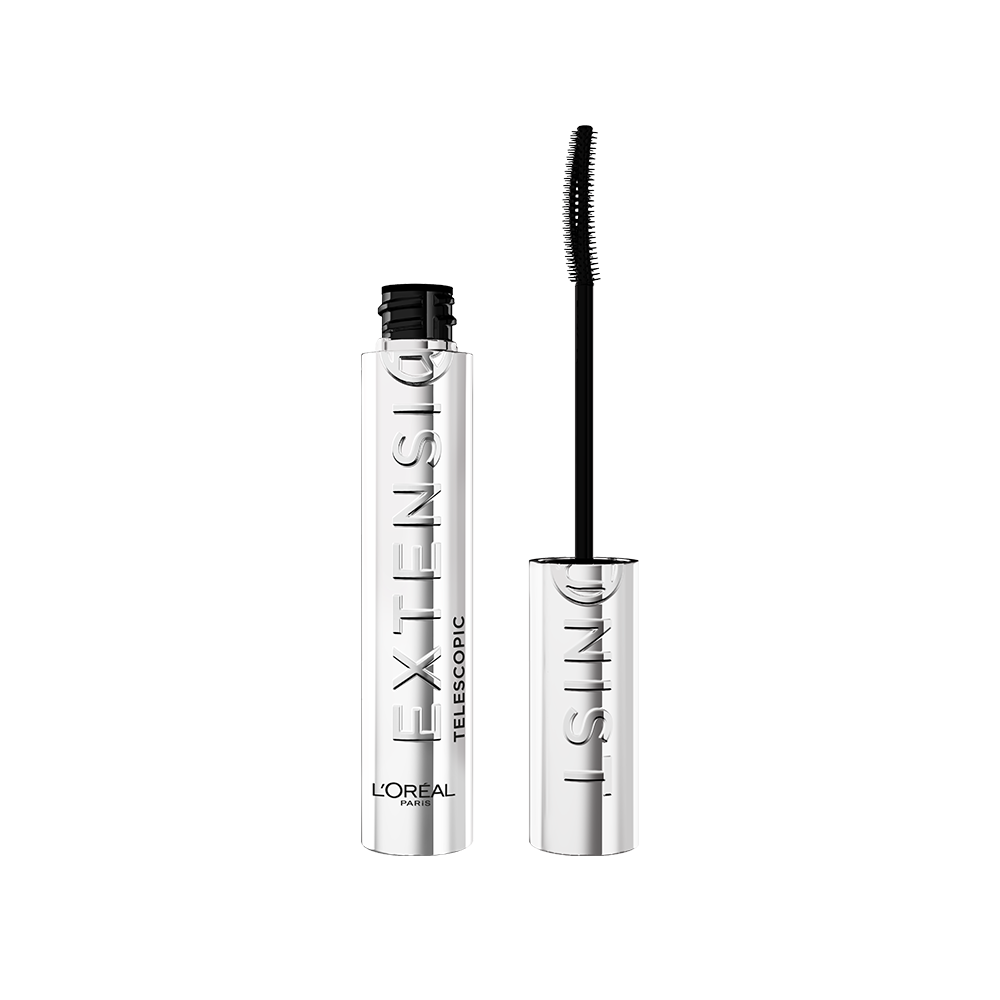
•Mascaras: For mascara, consider the specific effect you want: for volume and length, look for formulas with dense brushes; for curl, choose those designed to lift. L'Oréal Paris mascaras offer various benefits like dramatic volume or extreme length, tailored by their unique brushes and formulas. Choose waterproof mascara for longevity, or washable mascara for easier removal.
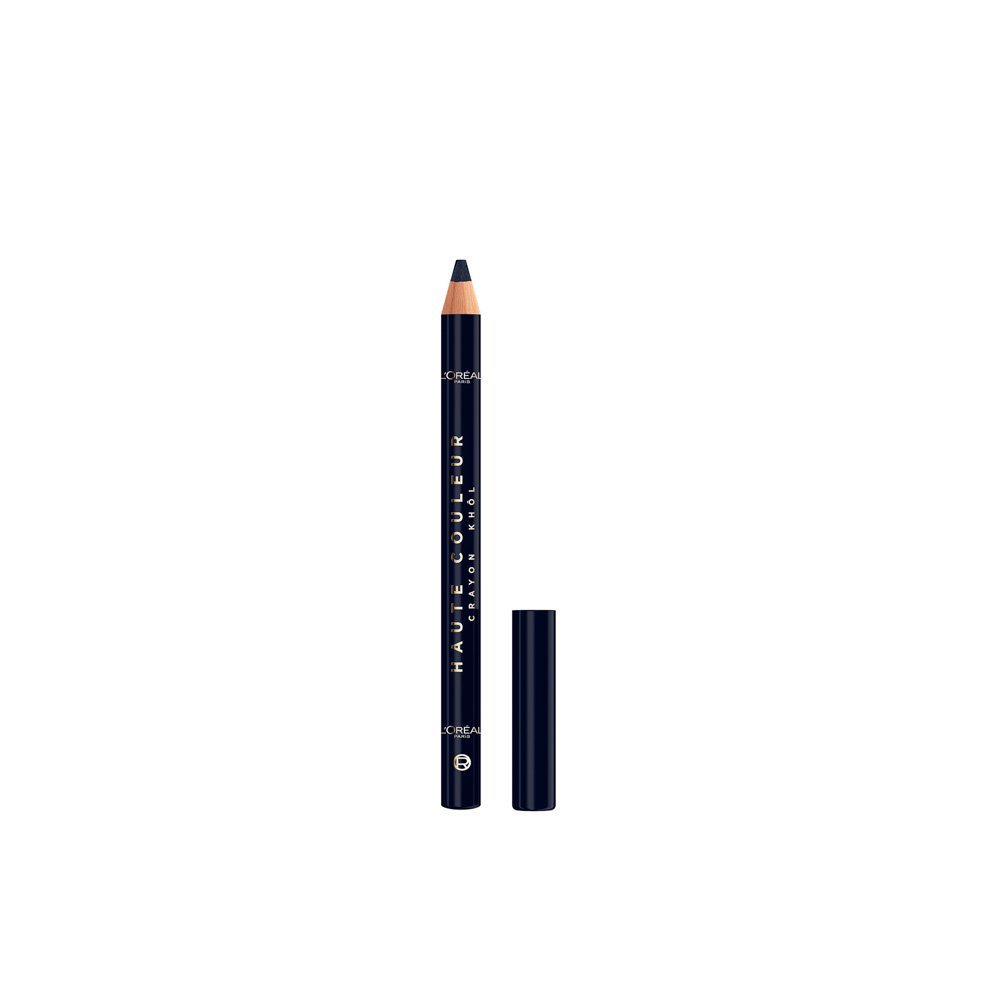
•Eyeliner: When selecting eyeliner, think about the precision required. Pencil liners are great for soft, smoky looks, while liquid liners provide sharp, defined lines. If you need your eyeliner to stay put, prioritize smudge-proof or long-wearing formulas.
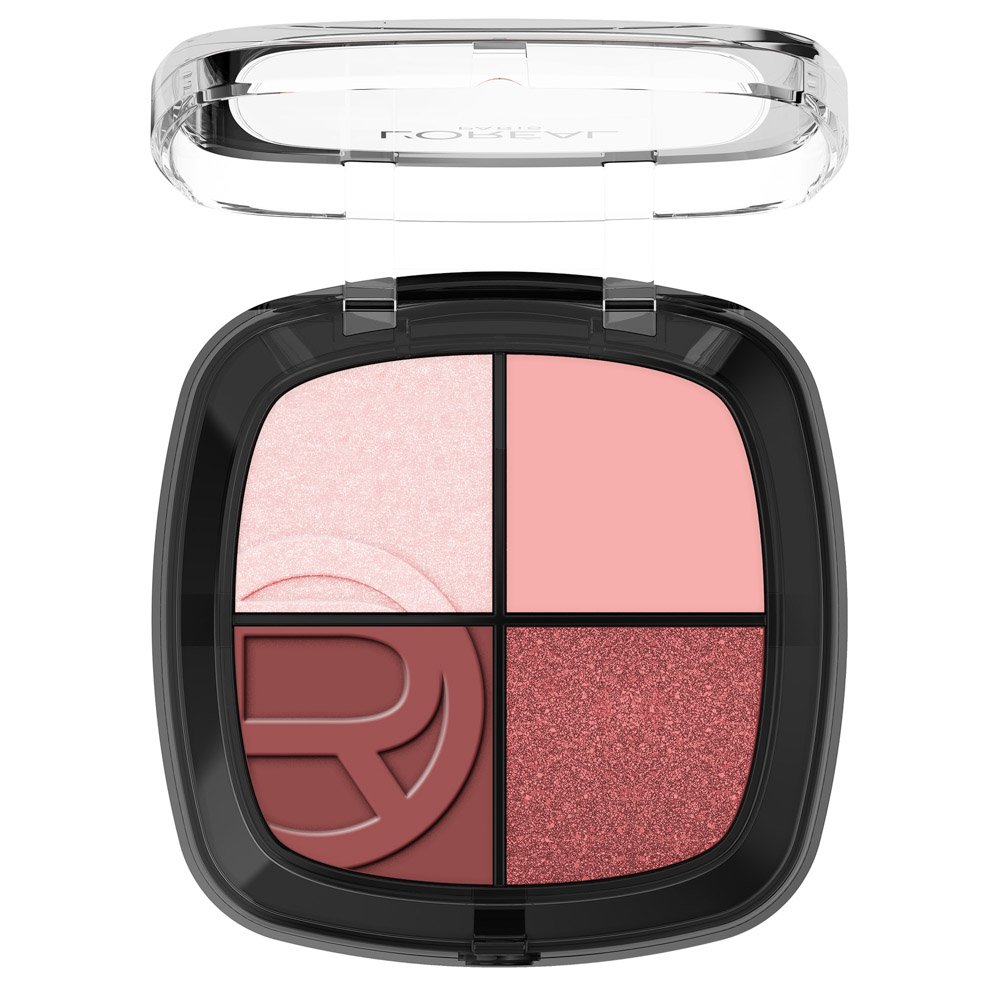
•Eyeshadows: Eyeshadows come in various formulas like powder or cream, and finishes from matte to shimmer. Palettes offer curated shades for cohesive looks, while single shadows allow customization. Choose eyeshadow shades that complement your eye color.
•Brow Products: Finally, for brow products, consider your natural brow fullness and desired definition. Pencils, brow pens, or powders help fill sparse areas, while gels tame brow hairs into shape. Always aim for a color that matches your brow hair for a natural finish.